Choosing the Right Air Filter for Your HVAC System
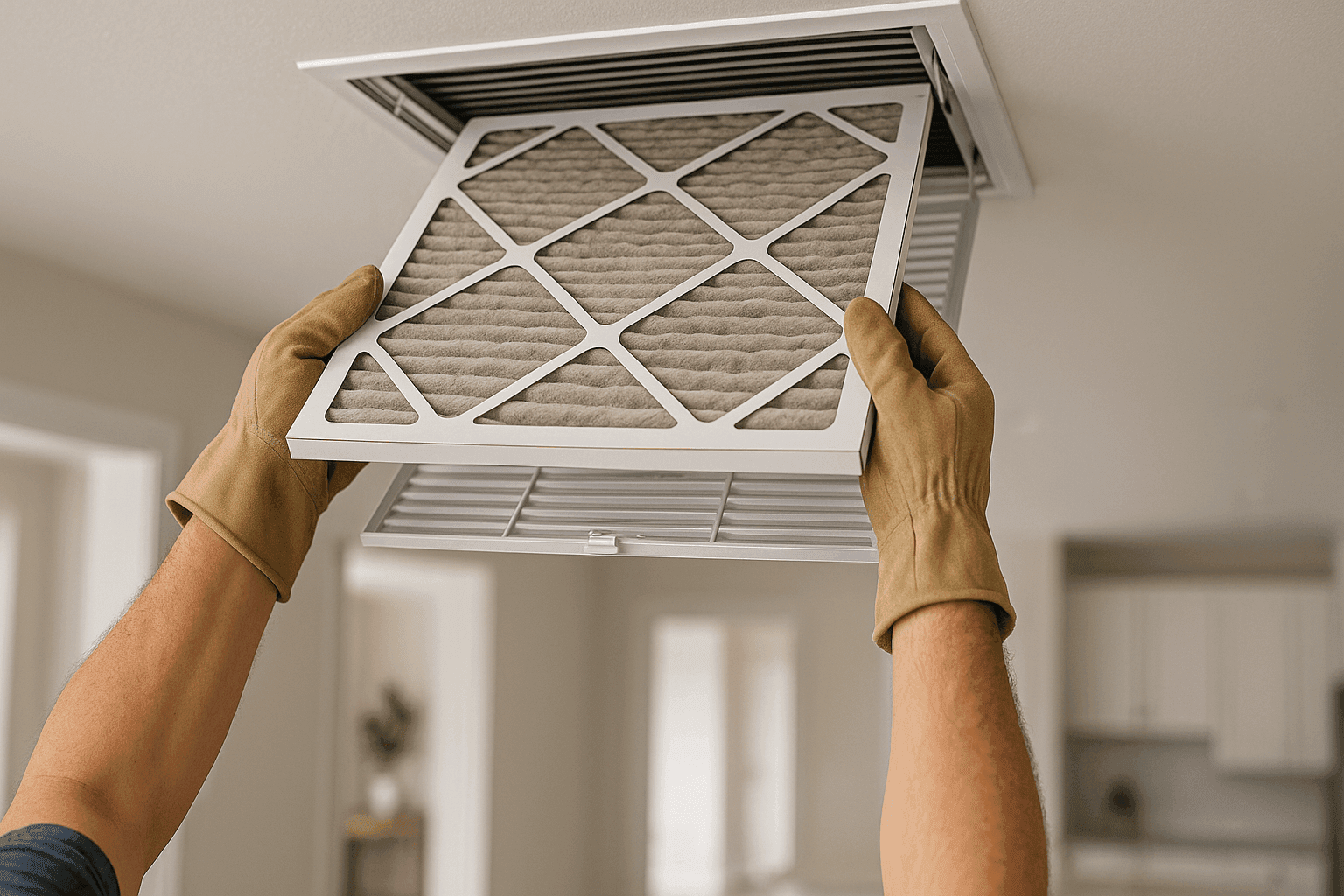
Do your eyes itch or your nose run the moment you step inside? Maybe your HVAC system hums along, but dust seems to settle everywhere. It’s not just you. The right air filter can make a world of difference for your comfort, your health, and even your energy bills.
At Colibri Air HVAC, we’ve seen what a simple filter swap can do—especially in an emergency hvac situation. You don’t need an engineering degree. Just a little guidance and a willingness to keep your home’s air as fresh as possible.
The Big Question: Why Does the Air Filter Matter?
Think of your HVAC air filter as the goalie for your lungs. It blocks dust, pollen, pet hair, even mold spores, before they skate into your living space. But not all filters are built the same. Some are like chain-link fences, others like fine nets. The right one depends on your home, your needs, and sometimes, your pets.
Types of Air Filters: Which One Fits Your Home?
Let’s break down the three most common types:
-
Fiberglass Filters
The budget pick. Thin, flat, and disposable. They catch the big stuff (dust bunnies, pet hair), but let smaller particles slip through. Good for older systems or homes without allergy worries. -
Pleated Filters
These are folded like an accordion. More surface area means they trap more: dust, pollen, mold. A solid choice for most families, especially if you have allergies or pets. -
HEPA Filters
The gold standard. They trap up to 99.97% of particles as small as 0.3 microns. Great for severe allergies or respiratory issues. But not every HVAC system can handle them—always check your manual or ask Colibri Air HVAC before upgrading.
What’s a MERV Rating? 🛡️
MERV stands for Minimum Efficiency Reporting Value. It’s a scale from 1 to 16 that tells you how good a filter is at catching small particles:
- MERV 1–4: Basic protection. Stops dust and lint.
- MERV 5–8: Captures pollen, mold, and pet dander. Good for most homes.
- MERV 9–12: Blocks finer particles, like auto emissions or some bacteria. Ideal for allergy sufferers.
- MERV 13–16: Hospital-level. Traps smoke, viruses, and even some airborne bacteria.
But higher isn’t always better. Filters with a MERV above 13 can restrict airflow in standard residential systems. Always check your HVAC’s manufacturer recommendations before going high-MERV.
How to Choose: Allergies, Pets, or Just Clean Air?
Your filter choice depends on your priorities:
- Allergies/Respiratory Issues: Pleated or HEPA filters, MERV 11–13 if your system allows.
- Pets: Go pleated, at least MERV 8. Change filters more often—fur builds up fast!
- No Major Concerns: A basic fiberglass filter or low-MERV pleated is usually enough.
If you’re unsure, Colibri Air HVAC can help with an indoor air quality assessment or AC Maintenance near you.
Safety First: Quick Air Filter Checklist
Before you swap that filter, run through these:
- Turn off your HVAC system at the thermostat.
- Check your system’s manual for filter size and recommendations.
- Use gloves if the old filter looks especially dusty or dirty.
- Never force a filter that doesn’t fit. Gaps mean unfiltered air.
- Dispose of used filters in a sealed bag—especially if you have allergies.
DIY or Call a Pro? 🤔
Changing an air filter is usually easy. Slide out the old. Insert the new. Done in minutes.
But some systems (like those with HEPA upgrades, mini-splits, or whole-house fans) need a pro’s touch. If you notice:
- The filter is stuck or damaged.
- You aren’t sure which filter to buy.
- There’s visible mold, odd smells, or the HVAC won’t turn on after replacing.
Don’t risk it. Call an emergency hvac technician from Colibri Air HVAC.
What Pros Do On Arrival
When Colibri Air HVAC arrives for AC Maintenance or filter concerns, here’s what happens:
- Inspect your system for the right filter size and fit.
- Check for leaks, gaps, or airflow restrictions.
- Recommend the best filter based on your family’s needs and manufacturer guidelines.
- Safely install and test the system.
- If needed, run an indoor air quality (IAQ) test for peace of mind.
Our technicians follow guidelines set by ASHRAE (American Society of Heating, Refrigerating and Air-Conditioning Engineers) and EPA recommendations for filter selection and changeouts.
Step-by-Step: Replacing Your Air Filter
- Turn off your HVAC system.
Safety first—every time. - Locate your filter.
Usually in the return vent or at the air handler. - Note filter size.
It’s printed on the old filter’s frame. - Slide out the old filter.
Watch for dust clouds! - Insert the new filter.
Arrows on the frame show airflow direction. - Restart your HVAC.
Listen for smooth operation.
How Often Should You Replace Filters?
- Fiberglass: Every 30 days.
- Pleated: Every 60–90 days, or monthly if you have pets/allergies.
- HEPA: Every 6–12 months, with pro help.
Mark your calendar or set a reminder. A clogged filter can overwork your system and spike energy bills.
Prevention & Maintenance: Make It a Habit 🧰
- Schedule AC Maintenance near you each spring and fall.
- Check filters monthly during high-use seasons (summer, winter).
- Upgrade to high-quality filters if local pollen, wildfire smoke, or dust is a regular problem.
- For homes with radiant heating or geothermal systems, ask about specialized filters—Colibri Air HVAC stocks options for nearly every system.
Costs & Time Factors
- Filters: $5–$50 each depending on type and brand.
- DIY Swap: 5–10 minutes.
- Pro Visit: 30–60 minutes if combined with full HVAC Maintenance or IAQ testing.
Remember, a $10 filter change can save hundreds in repairs or emergency hvac calls down the line.
When It’s an Emergency
Clogged filters can cause:
- Sudden loss of heating or cooling.
- Unusual noises or foul smells.
- System shutdowns or overheating.
If your HVAC stops working—especially during extreme weather—replace the filter first. If that doesn’t fix it, call Colibri Air HVAC for 24 hour emergency service. Fast action protects your home and family.
FAQ: Common Air Filter Questions
How do I know which size filter to buy?
Check your old filter’s frame or your HVAC manual. Unsure? Measure the length, width, and thickness.
Are expensive filters worth it?
For allergy sufferers or homes with pets, yes. But always match the filter to your HVAC’s specs.
Can I reuse filters?
Standard disposable filters should never be reused. Some washable filters exist, but they require regular, careful cleaning.
Does a dirty filter affect my energy bill?
Absolutely. A clogged filter strains your HVAC, using more energy and shortening its life.
Local & Seasonal Considerations 🏡
- Pollen Season: Change filters more often in spring.
- Wildfire Smoke: Upgrade to higher MERV or HEPA filters during peak smoke events.
- Humidity: Homes using dehumidifiers or humidifiers may need specialty filters—ask Colibri Air HVAC for recommendations.
For homes with generators, radiant heating, or advanced IAQ systems, filter needs can change with the seasons. Always follow the manufacturer’s recommendations and consult a licensed technician for unusual situations.
Ready to breathe easier? With Colibri Air HVAC, choosing and maintaining the right air filter is simple—even in an emergency hvac situation.
Call Colibri Air HVAC now — or reach us anytime at 888-871-0918 .