Generator Installation for Homeowners: Power Outage Solutions
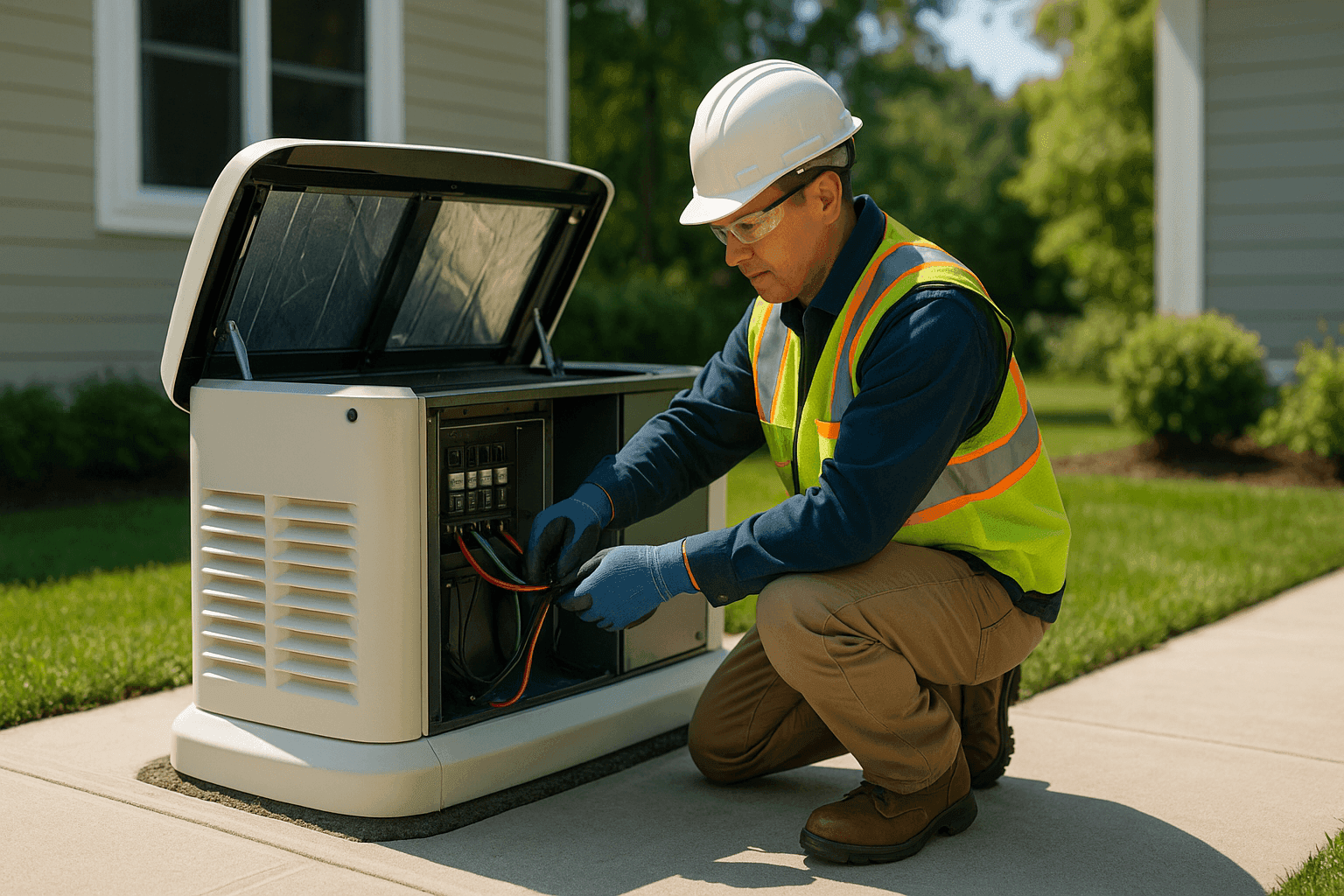
When the lights go out, everything stops. The hum of the fridge. The whisper of your AC. Even the cozy glow of your living room lamp. Power outages aren’t just inconvenient—they can put your comfort, health, and safety at risk.
At Colibri Air HVAC, we know how much you rely on your home’s systems. That’s why we help homeowners across the country stay ready for anything, with expert generator installation and 24/7 emergency hvac services. Let’s break down what you need to know to keep your family safe and comfortable when the grid goes dark.
Why Backup Power Matters
Picture this: a thunderstorm rolls in, knocking out the neighborhood’s power. Hours tick by. The food in your fridge starts to sweat. Temperatures climb or plummet. Suddenly, your home feels less like a haven and more like a question mark.
A home generator bridges that gap. It’s like having a safety net under your daily life—ready to catch you when the unexpected strikes.
Types of Home Generators ⚡
Choosing a generator isn’t one-size-fits-all. Homeowners typically consider two main types:
Portable Generators
- Affordable and mobile. You can store them in the garage and wheel them out during an outage.
- Manual operation. You’ll need to plug in appliances with extension cords or use a transfer switch.
- Limited power. Good for a few appliances (think fridge, lights, maybe a window AC).
Standby Generators
- Permanent fixture. Installed outside, connected directly to your electrical panel.
- Automatic startup. Senses outages and powers up in seconds—even if you’re not home.
- Whole-home coverage. Can keep your AC, furnace, sump pump, and everything else running.
- Fuel sources. Usually run on natural gas or propane.
Which is better? If you want seamless, hands-off protection and comfort, most homeowners opt for a standby generator. But portable models work for smaller budgets or occasional needs.
How to Choose (and Size) a Generator
Not all homes need the same amount of backup power. The trick is matching the generator’s capacity to your household’s must-haves.
Step 1: List Essentials
- Fridge/freezer
- Furnace or AC
- Sump pump
- Medical devices
- Lighting
- Well pump (if needed)
- Internet/router
Step 2: Add Up Wattage Check each appliance’s wattage (often listed on the back or in the manual). Add them up. For example, a typical fridge uses around 700W, a furnace blower 800W, and lights another 500W.
Step 3: Build in a Buffer Your generator should handle 20–30% more than your total to cover startup surges and future needs.
Need help? Licensed electricians at Colibri Air HVAC routinely perform home energy audits and can size your generator precisely, so you never have to guess.
The Installation Process, Step by Step
Installing a generator is more than just plugging it in. Here’s what to expect with a professional install:
- Site assessment: We evaluate where to place the unit for safety, airflow, and local code compliance.
- Sizing and selection: Using your home’s load calculation, we recommend the right model and fuel source.
- Permits and codes: Most towns require permits. We handle paperwork and follow National Electrical Code (NEC) and local building rules.
- Electrical connections: Our licensed electricians install a transfer switch, wiring, and fuel lines—so your generator safely powers your home.
- Testing and training: We run the first startup, test all connections, and show you exactly how everything works.
Cutting corners here is risky. Faulty installs can damage appliances—or worse, cause carbon monoxide leaks or fires. Always use a licensed, insured professional.
Quick Safety Checklist 🛑
- Never run generators indoors or in garages. Carbon monoxide is deadly.
- Install carbon monoxide detectors near sleeping areas.
- Keep units at least 5 feet from doors, windows, and vents.
- Use only weatherproof extension cords with portable models.
- Schedule annual maintenance. Replace filters, check oil, and test run for peace of mind.
- Follow manufacturer and CDC guidelines for generator safety.
DIY or Call a Pro?
Some homeowners consider DIY generator installs. Sometimes it’s tempting—especially with portable units. But here’s the catch:
- Electrical work is hazardous. Mistakes can shock, burn, or start a fire.
- Code violations void insurance. Permits and inspections protect you.
- Improper fuel hookups cause leaks. Natural gas and propane require expert handling.
For standby generators (and transfer switches), always call a licensed electrician. At Colibri Air HVAC, our installers are certified to handle the toughest setups—coast to coast.
What Pros Do On Arrival
When a Colibri Air HVAC technician arrives, here’s what you can expect:
- Thorough inspection: We examine your electrical panel, main service, and fuel access.
- Load analysis: Using specialized tools, we measure your home’s real power needs.
- Site prep: We clear debris, level the pad, and install vibration dampeners.
- Safe installation: All wiring, gas, or propane connections are double-checked.
- Full test run: We simulate an outage and watch your home switch seamlessly to backup mode.
- Walkthrough: We answer questions, from AC Maintenance near you to generator startup.
Prevention & Maintenance Tips
A generator is a lifeline—if it works when you need it. Here’s how to keep it ready:
- Run monthly test cycles. Most modern generators have a self-test mode.
- Check oil and coolant. Top off as needed, especially before storm season.
- Replace fuel and air filters annually.
- Keep exhaust areas clear of leaves and debris.
- Book professional tune-ups to spot problems early.
The National Fire Protection Association (NFPA) recommends annual service for standby generators. This keeps your system safe and reliable, all year long.
Costs & Time Factors
Let’s talk brass tacks—without quoting exact prices (since every home is different):
- Portable generators: Lower upfront cost, but may require extension cords or transfer switch installation.
- Standby generators: Higher initial investment, but add long-term value and convenience.
- Installation time: Most pro standby installs take 1–2 days, not counting permits.
- Permit and inspection fees: Vary by location—your install team handles these.
- Fuel costs: Natural gas is usually cheaper than propane or gasoline.
Remember: A reliable generator is an investment in comfort and safety, not just convenience.
When It’s an Emergency 🚨
Some storms don’t give you a choice. If you lose power during a heatwave or winter freeze, it’s not just about comfort—it’s about survival. That’s when you need emergency hvac and generator service—fast.
Colibri Air HVAC is here 24/7. Our teams respond nationwide, ready to restore power and keep critical systems running, from furnaces to AC to medical devices.
Common Questions: Generator Installation FAQ
How loud are standby generators?
Most modern standby generators are quieter than a lawnmower—about 60–70 decibels at 20 feet.
Can I power my whole house?
With the right size generator and transfer switch, yes. Many homeowners choose to back up only essential circuits to save on cost.
Do I need a permit?
Yes. Local codes almost always require permits and inspections for standby generator installs. Your installer should handle this for you.
What’s the lifespan of a generator?
With regular maintenance, most standby generators last 10–15 years or more, according to the Electrical Safety Foundation International (ESFI).
Local & Seasonal Considerations
Every region faces unique outage risks:
- Coastal areas: Hurricanes and flooding. Elevated installs and waterproofing matter.
- Northern climates: Ice and snow. Fuel freeze protection is key.
- Hot southern states: Long heatwaves. Your AC and fridge are top priorities.
Colibri Air HVAC installs and maintains generators nationwide. Our licensed electricians understand local codes, climate, and what it takes to keep your home powered—no matter where you live.
Ready to protect your home from power outages? Call Colibri Air HVAC now — or reach us anytime at 888-871-0918 .