How to Prevent Frozen Pipes and Heating Failures in Winter
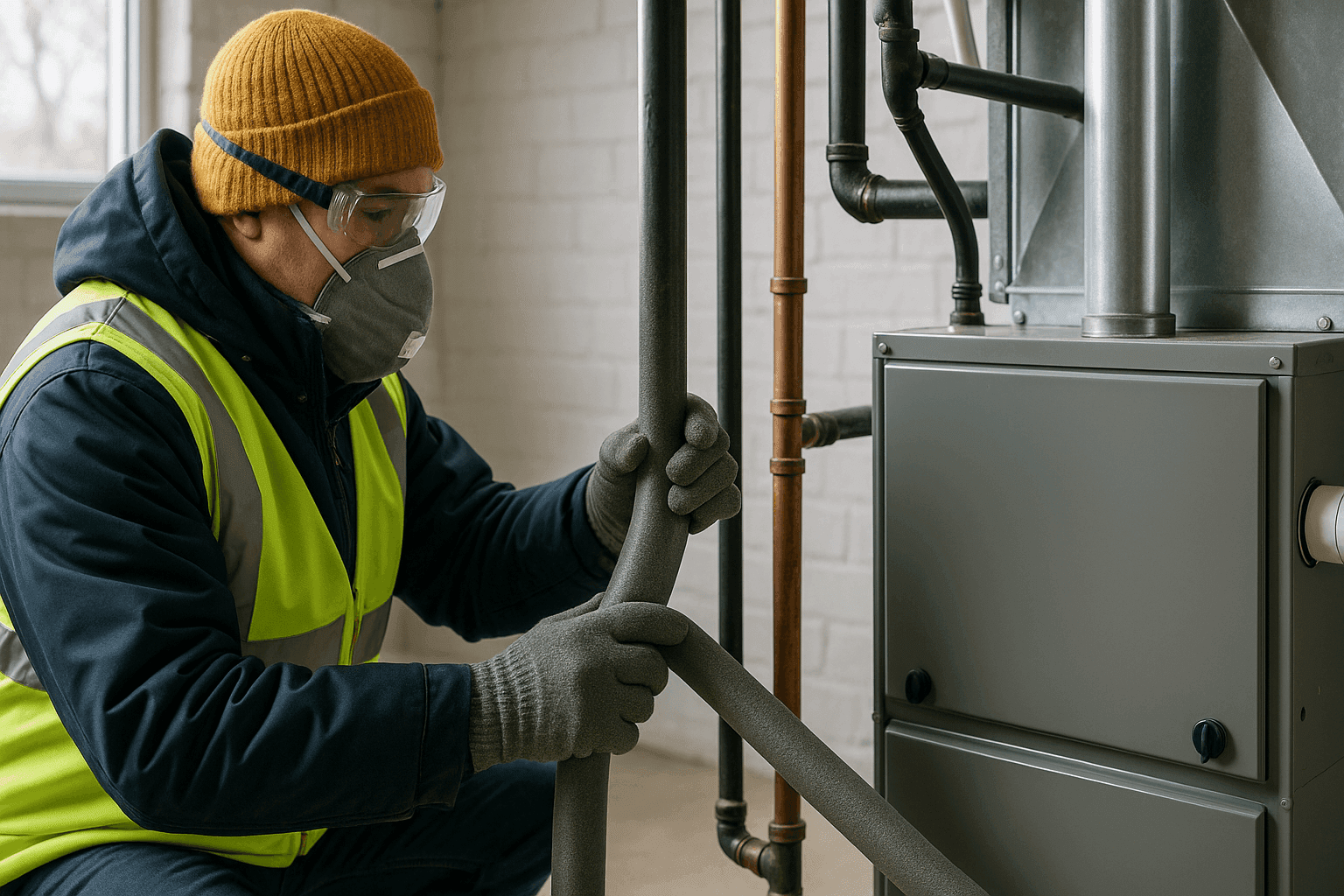
Winter doesn’t show mercy. Pipes freeze. Furnaces fail. Homes fill with cold, and stress fills the air. But you’re not powerless—even when the temperature drops fast and the wind howls outside.
At Colibri Air HVAC, we’ve seen it all—homes turned to iceboxes overnight, families scrambling to find heat. With 24/7 emergency HVAC help, we’re ready to jump in. But the best rescue is the one you never need. Here’s how to protect your home before winter bites.
Why Do Pipes and HVAC Systems Freeze or Fail?
Winter slips in quietly at first. Then, in a flash, the temperature plummets. Water inside your pipes is like a can of soda left in the freezer: when it freezes, it expands—and suddenly, your pipe can burst like a balloon.
Similarly, heating systems can fail when they’re pushed too hard or left unprepared. A furnace working overtime in below-freezing weather may quit if it hasn’t had recent maintenance or if a key part gives out.
It’s not just about comfort. According to the International Code Council and American Red Cross, burst pipes and heating failures can cause thousands in damages and serious safety risks.
Quick Safety Checklist: Spot Trouble Before It Hits ❄️
Before you’re knee-deep in ice water, check these essentials:
- Feel for cold spots: Pipes along exterior walls and unheated spaces (like basements and garages) are most vulnerable.
- Check your thermostat: Keep it set above 55°F, even when you’re away.
- Inspect for drafts: Cold air sneaking in can chill pipes and mechanical rooms.
- Listen to your furnace: Banging, rattling, or silence are all signs something’s wrong.
- Know your shut-off valve: Locate it now, not during a geyser moment.
- Have backup power: A generator keeps heat running when the grid goes down.
DIY or Call a Pro? Knowing Your Limits
Some things you can handle with a wrench and a little time. Others demand a professional touch.
DIY:
- Wrapping exposed pipes with foam or fiberglass insulation.
- Setting the thermostat and opening cabinet doors below sinks.
- Placing a small space heater (safely) in trouble spots.
Call Colibri Air HVAC:
- No heat coming from vents, or furnace won’t start.
- Water leaking, dripping, or spraying from pipes.
- Unusual electrical smells, or you suspect a gas leak.
- Thermostat isn’t responding, or breaker keeps tripping.
Don’t gamble with your home’s safety. If you’re unsure, reach out. Emergency HVAC help is always near you.
What Pros Do On Arrival
When our technicians arrive, they move fast—like firefighters for your furnace and pipes. Here’s what the process looks like:
- Assess and isolate: We inspect the whole system to find the source of trouble. Water shut-off? Power cut? We do it safely.
- Thaw frozen pipes: Using heat lamps, electric pipe wraps, or gentle hot air—not open flames, which the U.S. Fire Administration warns against.
- Restore heat: We’ll repair or replace broken furnace parts, thermostats, or ignition systems.
- Check for hidden dangers: Water damage, mold, and electrical hazards can develop quickly.
- Document and advise: We’ll walk you through what happened and how to prevent it next time.
Prevention & Maintenance: Your Best Defense 🛠️
A little preparation saves a lot of heartache. Here’s how to outsmart winter:
Insulate Pipes and Ducts
- Use pipe sleeves or heat tape on all exposed plumbing.
- Insulate attics, crawlspaces, and basements where cold creeps in.
- Seal up cracks and holes near pipes and vents.
Keep Heat Flowing
- Schedule professional heating maintenance every fall. A tuned-up system works harder, longer.
- Change furnace filters. Blocked airflow strains your equipment.
- Program your thermostat to avoid big temperature drops at night or while away.
- Open indoor doors—let warmth circulate to every room.
Generator Installation and Maintenance
- Consider a backup generator, especially if you live where outages are common.
- Test your generator monthly, and keep it fueled and serviced.
Monitor Indoor Air Quality
- Use whole-house humidifiers or dehumidifiers as needed. Dry air can make pipes brittle, while excess moisture causes mold.
- Air scrubbers and IAQ (Indoor Air Quality) testing can reveal hidden hazards.
Home Energy Audit
- Let a pro identify heat leaks and insulation gaps. The U.S. Department of Energy recommends this for winter-ready homes.
Costs & Time Factors: What to Expect
Emergencies are unpredictable. But here’s what usually affects the cost and timing:
- Extent of damage: Frozen pipes behind walls take longer (and more labor) to fix than exposed ones.
- Parts availability: Some furnace models need special-order parts.
- Time of day: Emergency HVAC work after midnight, weekends, or holidays may require overtime labor.
For planned maintenance, most visits take under two hours. Emergency repairs can take longer, especially if extensive water cleanup or parts replacement is needed.
When It’s an Emergency
Not every chill is a crisis. But call for help immediately if:
- Water gushes from a pipe, or you see pooling near your furnace.
- The house temperature drops below 50°F and won’t rise.
- Your carbon monoxide detector goes off—leave the house and call the fire department, then us.
- The power is out and you have no backup heat in below-freezing weather.
FAQ: Common Questions About Winter HVAC & Pipes
How do I know if my pipes are frozen?
If you turn on a faucet and only a trickle comes out—especially after a cold snap—pipes may be frozen. Look for frost on visible pipes or a musty smell.
Can I use a hair dryer to thaw a pipe?
Yes, but only on exposed pipes and never with open flames. Start near the faucet and work back toward the coldest part. Never leave it unattended.
What temperature should I keep my house in winter?
Most experts—including the American Red Cross—recommend at least 55°F, even if you’re away for vacation.
How often should I get heating maintenance?
Once a year, preferably before the first cold snap. Regular AC Maintenance near you helps keep both heating and cooling systems in shape.
Local & Seasonal Considerations 🌬️
Every winter is different. In some years, ice storms knock out power for days. Other times, it’s a sudden Arctic blast that strains every heater. If your area is prone to deep freezes, take extra steps:
- Stagger holiday travel or ask a neighbor to check your heat if you’re gone.
- After heavy snow, clear vents and exhaust pipes to prevent blockages.
- In older homes, extra insulation and regular duct cleaning are crucial.
Stay alert to winter weather warnings from your local emergency management office. Preparation beats panic, every time.
Frozen pipes and heating failures aren’t just winter myths—they’re real, and they strike fast. But you don’t have to face the cold alone. Take these steps now to protect your home, your comfort, and your peace of mind.
Call Colibri Air HVAC now — or reach us anytime at 888-871-0918 .