How to Choose the Best HVAC Filter for Your Home or Business
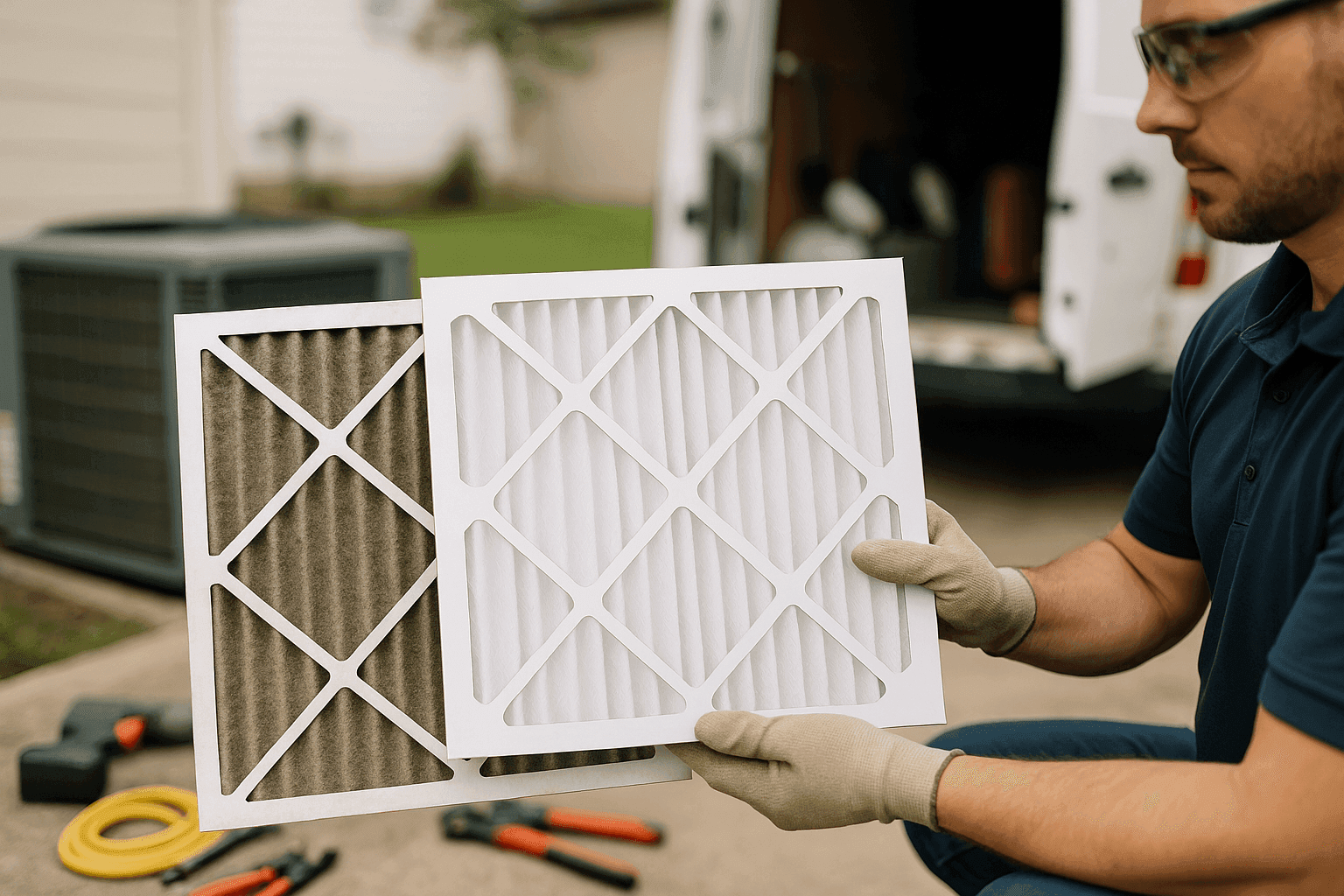
Is the air in your home or business feeling stale, dusty, or just not right? You’re not alone. The right HVAC filter can make all the difference—helping you breathe easier, sleep better, and keep your heating and cooling system humming along. At Colibri Air HVAC, we know that choosing the best filter can feel overwhelming. But it doesn’t have to be.
Let’s break down what matters most when picking a filter, so you can make a choice that fits your space, your health, and your budget.
Why Your HVAC Filter Matters
Think of your HVAC filter as a goalie. Its job? Block dust, pollen, pet hair, and other tiny invaders from circulating through your air. A good filter protects your lungs—and your HVAC system—from things you can’t always see.
But not all filters are created equal. The wrong one can clog quickly, strain your system, and let allergens slip through. The right one keeps your air clean and your emergency hvac calls to a minimum.
Types of HVAC Filters: What’s on the Market? 🌀
Filters come in different shapes, sizes, and strengths. Here’s what you’ll find at most hardware stores or from your HVAC technician:
Fiberglass Filters
- Lightweight and inexpensive
- Capture only large particles like dust and lint
- Good for protecting equipment, not for improving air quality
- Need frequent replacement (usually every month)
Pleated Filters
- Made from folded paper or polyester
- Trap smaller particles, including pollen and pet dander
- Last longer than fiberglass (about 3 months)
- Moderate cost, better for allergy sufferers
HEPA Filters
- High-Efficiency Particulate Air (HEPA) filters
- Capture 99.97% of particles as small as 0.3 microns (according to EPA standards)
- Excellent for homes or businesses with severe allergies, asthma, or respiratory issues
- May require system modifications due to airflow restriction
Electrostatic Filters
- Use static electricity to attract particles
- Available as disposable or washable
- Can be more effective than standard pleated filters, but performance varies
- Washable types save money over time, but require regular cleaning
What’s a MERV Rating, and Why Should You Care?
MERV stands for Minimum Efficiency Reporting Value. Think of it as a scorecard for filter strength. The higher the number, the more stuff the filter catches.
- MERV 1–4: Basic protection (large dust, lint)
- MERV 5–8: Better for homes and small businesses (mold spores, dust mites)
- MERV 9–12: Good for allergy sufferers (pet dander, fine dust)
- MERV 13–16: Hospital-grade air quality (bacteria, smoke, viruses)
Beware: Higher MERV isn’t always better. Too much filtration can choke airflow, making your HVAC system work harder and possibly leading to breakdowns. Check your system manual or talk to a pro to find your sweet spot.
Key Factors When Choosing a Filter
Every home and business is different. Here’s what to keep in mind:
- Allergies or asthma: Go for MERV 9–12 or higher, but make sure your system can handle it.
- Pets: Pleated or electrostatic filters help trap hair and dander.
- Construction or remodeling: Use higher MERV during projects to catch extra dust.
- Seasonal changes: Pollen in spring? Mold in fall? Adjust filters as needed.
- System compatibility: Always check the manufacturer’s recommendations.
Quick Safety Checklist Before You Change Your Filter
- Turn off your HVAC system before removing the filter.
- Wear gloves if you have allergies or are sensitive to dust.
- Check the size and type of the existing filter before buying a replacement.
- Never force a filter into place—it should slide in easily.
- Dispose of used filters in a sealed bag if possible.
DIY Filter Replacement vs. Calling a Pro
Changing a filter is usually a simple job. If you can slide a tray out of your toaster, you can probably handle this. But there are times when it’s best to call in the cavalry.
Do It Yourself If:
- You know the correct filter size and type.
- The filter slot is easy to access.
- There are no signs of mold, water damage, or strange smells.
Call a Pro If:
- Your system requires a special filter (like HEPA or custom sizes).
- You see mold, water stains, or heavy buildup.
- The filter is hard to reach or you’re not sure how to install it.
- You have ongoing allergy or air quality issues.
What the Pros Do When They Arrive
When you call Colibri Air HVAC for filter help or emergency hvac service, here’s what you can expect:
- Inspect the system for dust, debris, and airflow problems.
- Check the fit and condition of the current filter.
- Recommend the best filter type and MERV rating for your needs.
- Look for signs of mold, leaks, or mechanical issues.
- Test airflow to make sure your system isn’t being overworked.
- Offer advice on filter replacement schedules and indoor air quality solutions.
How Often Should You Replace Your HVAC Filter?
There’s no one-size-fits-all answer, but here are common guidelines:
- Fiberglass: Every 1 month
- Pleated: Every 2–3 months
- HEPA: Every 6–12 months (or as recommended)
- Electrostatic (washable): Rinse every 1–3 months
If you have pets, allergies, or run your system constantly, check filters more often. A dirty filter is like trying to breathe through a scarf—it strains your system and your lungs.
Practical Tips for Better Air and Longer System Life 🌱
- Set a reminder on your phone or calendar to check your filter monthly.
- Keep spare filters on hand so you’re never caught off guard.
- Use high-quality filters that match your system’s specs—cheaper isn’t always better.
- Schedule annual HVAC maintenance to catch problems early.
- Upgrade to higher MERV filters during allergy or wildfire season, if compatible.
Costs & Time Factors
- Filters: Range from a few dollars (fiberglass) to $30+ (HEPA or specialty)
- Replacement time: 5–15 minutes for most DIY jobs
- Professional service: Varies based on system complexity and filter type
Investing in the right filter saves money over time by reducing emergency hvac repairs and lowering energy bills.
When It’s an Emergency
Sometimes, a clogged filter is more than an inconvenience. If you notice:
- Weak or no airflow from vents
- Burning smells or overheating
- Sudden allergy flare-ups
- Unusual noises from your HVAC unit
Turn off your system and call for emergency hvac service right away. A blocked filter can cause breakdowns or even safety hazards.
Special Considerations for Businesses
- Higher occupancy means more dust and contaminants—check filters more often.
- Commercial systems may require specialty filters or custom sizes.
- Poor air quality can impact employee health and productivity.
- Schedule regular filter changes as part of your maintenance plan.
Frequently Asked Questions
How do I know which filter size I need?
Check the frame of your existing filter or your HVAC system manual. Common sizes are printed on the edge. If in doubt, measure the length, width, and thickness.
Are washable filters as good as disposable ones?
Washable (electrostatic) filters can be effective, but only if cleaned regularly. They may not trap ultra-fine particles like a high-MERV pleated or HEPA filter.
Can a better filter fix my allergy problems?
A high-quality filter can reduce allergens, but it’s just one piece of the puzzle. Regular cleaning, duct maintenance, and humidity control also help.
What if my filter looks clean but it’s been a few months?
Replace it anyway. Some particles are too small to see, and over time, even a “clean” filter gets clogged.
Final Steps: Keep Your Air Clean Year-Round
Choosing the right HVAC filter is one of the simplest ways to improve air quality and protect your investment. Make it a habit to check, change, and upgrade your filters as needed. If you’re unsure or your system isn’t performing its best, don’t wait until it’s an emergency.
Call Colibri Air HVAC now — or reach us anytime at 888-871-0918 .