How to Extend the Lifespan of Your HVAC System
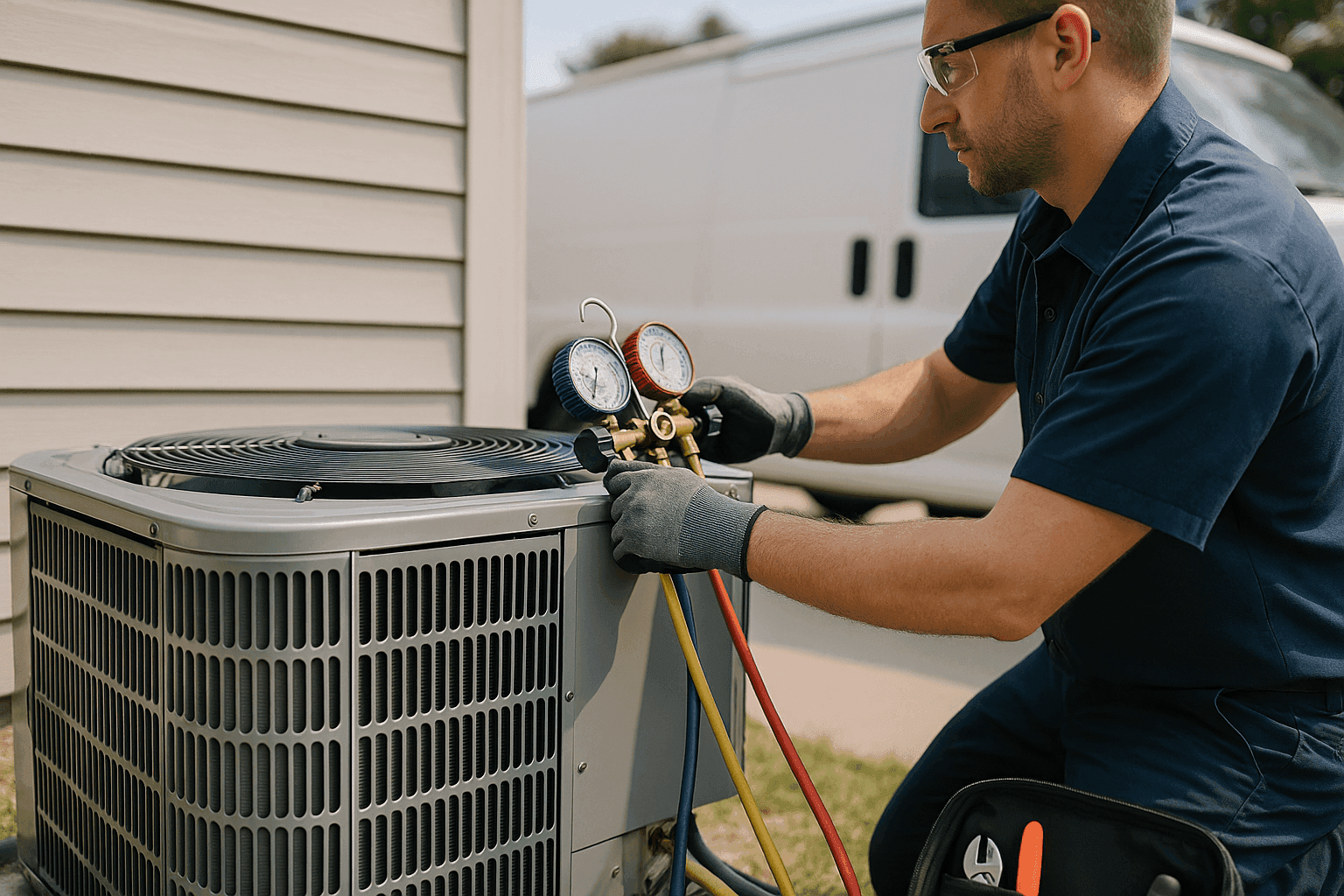
Is your HVAC system quietly humming away—until it isn’t? Few things disrupt home or business comfort like a sudden breakdown. At Colibri Air HVAC, we know how much you rely on heating and cooling. We’re here to help you keep it running strong, season after season.
Your HVAC system is a big investment. Treat it right, and it’ll reward you with years of comfort and lower energy bills. Neglect it, and you might find yourself sweating—or shivering—when you least expect it.
Understanding Your HVAC System’s Lifespan
Think of your HVAC system like a car. It’s made up of moving parts, filters, and controls that all need attention. Here’s a quick look at typical lifespans:
- Central Air Conditioner: 12–17 years
- Furnace: 15–20 years
- Heat Pump: 10–15 years
- Ductwork: 20–25 years
- Thermostat: 10 years (sometimes less with smart models)
- Mini-Split Systems: 12–16 years
These numbers aren’t set in stone. Regular care can add years. Skipping maintenance can cut them short. And when emergencies strike, fast action matters.
Why Maintenance Matters 🛠️
HVAC systems work hard year-round. Dust, dirt, and wear build up slowly—like pebbles in your shoe. You might not notice at first. But over time, strain increases, efficiency drops, and repairs get costly.
Routine maintenance helps:
- Prevent surprise breakdowns
- Lower energy use
- Improve indoor air quality
- Catch small issues before they grow
The U.S. Department of Energy recommends annual professional checkups for heating and cooling systems. It’s not just about comfort—it’s about safety, too.
Quick Safety Checklist
Before you do anything, safety first. Here’s a simple checklist:
- Turn off power to your HVAC equipment before checking or cleaning.
- Wait for moving parts (like fans) to stop completely.
- Wear gloves and safety glasses when handling filters or opening panels.
- Never open sealed components or gas lines—leave that to certified technicians.
- Keep areas around outdoor units clear of leaves, debris, and clutter.
Remember: If you smell gas, hear loud bangs, or see sparks, leave the area and call emergency hvac help immediately.
DIY vs. Call a Pro
Some tasks are safe for handy homeowners. Others need a certified technician. Here’s how to tell the difference:
DIY-Friendly Tasks
- Replacing or cleaning air filters
- Keeping vents and registers unblocked
- Gently vacuuming dust from accessible grilles
- Adjusting thermostat settings
Call a Pro For
- Annual deep cleaning and safety inspections
- Refrigerant checks or recharges
- Electrical repairs or wiring issues
- Duct cleaning and sealing
- Any repairs involving gas, carbon monoxide, or refrigerant
If you’re unsure, err on the side of caution. HVAC systems are complex. A small mistake can lead to bigger problems—or void your warranty.
What Pros Do On Arrival
When Colibri Air HVAC arrives, you get more than a quick fix. Certified technicians follow industry standards (like those set by ASHRAE and ACCA):
- Inspect and test all major components (compressor, blower, heat exchanger, coils)
- Check refrigerant levels and pressure
- Clean and lubricate moving parts
- Test safety controls and thermostat calibration
- Examine ductwork for leaks or blockages
- Replace filters and recommend upgrades if needed
- Provide a written report with findings and recommendations
This thorough approach helps spot early warning signs—saving you money and stress down the road.
Prevention & Maintenance: The Seasonal Checklist
A little effort now means fewer headaches later. Use this seasonal guide to keep your HVAC system in top shape:
Spring & Summer
- Change filters every 1–3 months (more often with pets or allergies)
- Clear debris from outdoor units
- Check thermostat batteries and settings
- Schedule a professional AC tune-up before peak season
- Inspect visible wiring and insulation
Fall & Winter
- Change filters regularly
- Test your furnace before the first cold snap
- Ensure vents and radiators are unblocked
- Schedule a heating system checkup
- Listen for unusual noises or smells
Year-Round
- Watch for rising energy bills—an early sign of trouble
- Check humidity levels (add a dehumidifier or humidifier if needed)
- Monitor indoor air quality and consider IAQ testing
- Keep an eye on carbon monoxide alarms
Sticking to these habits can add years to your system’s life and keep your family or employees comfortable.
Filter Replacement: The Unsung Hero
Filters are the lungs of your HVAC system. Dirty filters choke airflow, make your system work harder, and hurt air quality.
- Standard filters: Change every 1–3 months
- HEPA or specialty filters: Follow manufacturer’s guidance
- Pet owners or allergy sufferers: Change more often
Write the date on your filter when you install it. Set a reminder on your phone. A fresh filter is one of the cheapest ways to protect your system.
Signs You Need Professional Service
Don’t ignore these red flags:
- Weak airflow or uneven temperatures
- Loud grinding, banging, or squealing sounds
- Unusual odors (burning, musty, or chemical smells)
- Short cycling (system turns on and off rapidly)
- Water leaks or ice buildup
- Thermostat not responding
If you notice any of these, call for emergency hvac service. Waiting can turn a small repair into a major headache.
Costs & Time Factors
Maintenance is an investment. It’s usually far less expensive than emergency repairs or full system replacements.
- Routine checkups: Typically take 1–2 hours
- Filter replacements: Just a few minutes
- Duct cleaning: Several hours, depending on size and layout
- Emergency repairs: Vary by issue and parts needed
Delaying maintenance might save a few dollars today, but it often leads to higher bills and shorter system life.
When It’s an Emergency
Sometimes, things go wrong at the worst times. That’s why Colibri Air HVAC offers 24-hour emergency hvac service.
Call for immediate help if:
- You lose heat during a cold snap or AC during a heatwave
- You smell gas or suspect a carbon monoxide leak
- There’s electrical sparking or smoking equipment
- Water is leaking rapidly from the system
- The system won’t start and resets don’t help
Quick action can prevent property damage and keep everyone safe.
FAQ: Common Questions
How often should I schedule professional HVAC maintenance?
At least once a year for both heating and cooling systems. Many experts, including the U.S. Department of Energy, recommend twice a year—spring for cooling, fall for heating.
Can I clean my own air ducts?
Basic vent cleaning is fine, but deep duct cleaning requires special tools and knowledge. DIY attempts can damage ducts or spread dust. Leave it to certified technicians.
What’s the best thermostat setting to save energy?
In summer, set your thermostat as high as comfortable—usually around 78°F when home. In winter, aim for 68°F. Adjust when you’re away or sleeping. Smart thermostats can help automate this.
Are smart thermostats worth it?
Yes, for many homes and businesses. They help optimize comfort and can lower energy bills by learning your schedule and adjusting automatically.
Special Considerations for Your HVAC System
Every building is unique. Consider these factors:
- Allergies or asthma: Upgrade filters and consider air scrubbers or IAQ testing.
- Older homes: Ductwork may need sealing or replacement.
- Business settings: More frequent maintenance may be needed due to higher usage.
- Geothermal or radiant systems: Require specialized care—ask your technician about best practices.
- Generators: Regular generator maintenance ensures backup power is ready for emergencies.
If you’re ever unsure, reach out. We’ll help you build a maintenance plan that fits your needs and budget.
Taking care of your HVAC system isn’t just about avoiding breakdowns. It’s about protecting your investment, saving money, and keeping your space comfortable year-round. A little prevention goes a long way.
Call Colibri Air HVAC now — or reach us anytime at 888-871-0918 .