How to Prepare Your HVAC System for Seasonal Storms and Power Outages
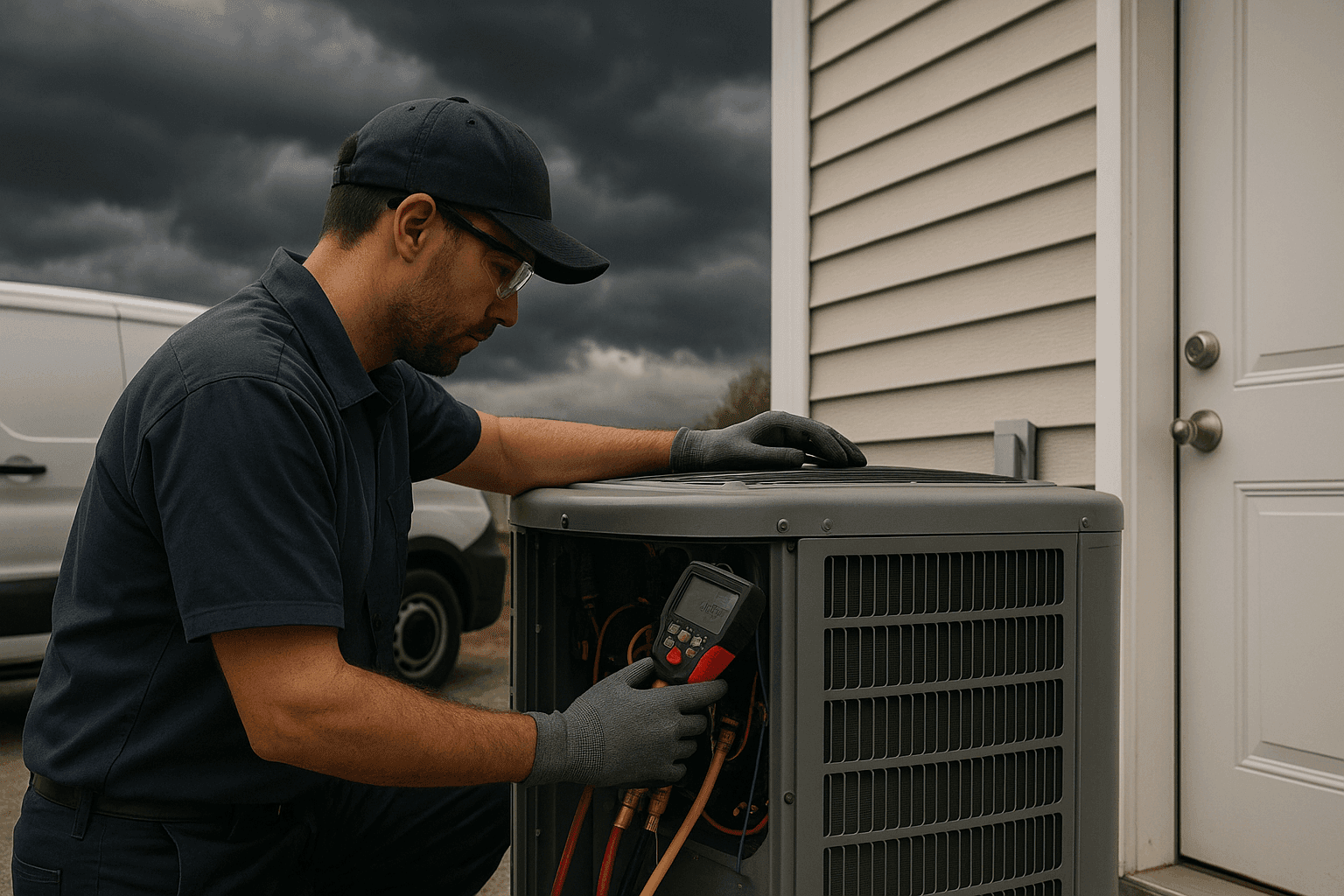
When a storm rolls in, the last thing you want is to lose the cool air or cozy heat you rely on. Power flickers, winds howl, and your mind races—will the HVAC system hold up? At Colibri Air HVAC, we've seen it all, and we know how fast a peaceful evening can turn into a scramble.
Seasonal storms and sudden outages can leave both homeowners and small business owners scrambling for solutions. With a few smart steps, you can keep your comfort steady and your equipment safe, no matter what the weather throws your way.
The Hidden Risks Storms Bring to Your HVAC System 🌩️
Storms are more than just a noisy backdrop. They can knock out power, flood basements, and send tree limbs crashing down. Your HVAC system sits right in the crosshairs—exposed to surges, water, and debris.
- Power Interruptions: Outages can leave your home stuffy or freezing. Sudden restarts may even damage sensitive components.
- Water Damage: Heavy rain and flooding can seep into outdoor units, shorting circuits or rusting parts.
- Flying Debris: Wind can hurl branches and objects, denting or clogging your condenser.
- Voltage Surges: Lightning or grid issues can fry control boards and motors.
The result? Costly repairs, spoiled comfort, and sometimes unsafe air. According to the Air Conditioning Contractors of America (ACCA), proactive maintenance is one of the best defenses against storm-related breakdowns.
Seasonal HVAC Maintenance Checklist
Think of maintenance as your system’s raincoat and umbrella. Tackling the basics before storm season hits can make all the difference.
Before the Storms Arrive:
- Change Air Filters: Clogged filters force your system to work harder. Swap them out every 1–3 months.
- Inspect Ducts: Look for leaks, loose connections, or signs of mold. Sealed ducts help keep unwanted moisture out.
- Check Thermostat Settings: Make sure your thermostat is programmed for energy savings and comfort. Consider a battery backup if yours is digital.
- Clear Outdoor Units: Remove leaves, sticks, and debris from around the condenser. Give it at least two feet of breathing room.
- Secure Loose Parts: Tighten panels and check refrigerant lines for insulation damage.
- Test Sump Pumps: If your HVAC is near a basement, make sure sump pumps are ready for heavy rain.
Pro Tip: Schedule a professional tune-up before storm season. The National Air Duct Cleaners Association (NADCA) recommends annual inspections for optimal indoor air quality.
Generator Installation and Maintenance: Your Backup Power Solution ⚡
When the lights go out, a backup generator can be a lifeline. But not all generators are created equal—or installed safely.
Choosing the Right Generator
- Sizing Matters: Too small, and it won’t power your system. Too large, and you waste money. A professional load calculation ensures you get it right.
- Automatic Transfer Switches: These detect outages and switch power seamlessly. No need to fumble in the dark.
- Fuel Type: Options include natural gas, propane, or diesel. Each has pros and cons for storage and runtime.
Safe Installation
- Follow Electrical Codes: The National Electrical Code (NEC) sets strict standards for generator hookups.
- Proper Ventilation: Generators produce carbon monoxide. Install them outdoors, away from windows and vents.
- Routine Testing: Run your generator monthly to keep it ready. Check oil, fuel levels, and battery charge.
Colibri Air HVAC specializes in generator installation and maintenance. We’ll help you choose, install, and keep your backup power running smoothly.
Emergency HVAC Safety Tips
When a storm is on the horizon, a few quick moves can protect your system and your family.
Before the Storm
- Turn Off the HVAC: If severe weather is imminent, shut down the system at the thermostat and breaker. This prevents damage from power surges.
- Cover Outdoor Units: Use a breathable cover to shield against debris, but remove it as soon as the storm passes.
- Unplug Electronics: Protect your thermostat and smart controls from voltage spikes.
During the Outage
- Keep Vents Clear: Blocked vents can lead to poor air quality and system stress when power returns.
- Don’t Use Gas Appliances Indoors: Never run generators, grills, or stoves inside. Carbon monoxide is deadly.
After the Storm
- Wait Before Restarting: Once power is restored, wait 10–15 minutes before turning your system back on. This helps prevent electrical overload.
- Inspect for Damage: Look for water, debris, or odd noises. If anything seems off, call for emergency hvac help.
Post-Storm HVAC Inspection: What to Look For
Once the skies clear, it’s time for a careful check. Think of it as a wellness checkup for your home’s lungs and heart.
- Outdoor Units: Check for dents, shifted units, or clogged coils.
- Electrical Connections: Look for frayed wires, tripped breakers, or burnt smells.
- Ductwork: Inspect for new leaks, water stains, or disconnected sections.
- Filters and Vents: Replace filters if they’re damp or dirty. Make sure vents are open and unobstructed.
- Unusual Noises: Grinding or rattling sounds can signal hidden damage.
If you spot anything unusual, don’t risk a DIY fix—call a licensed technician. The American Society of Heating, Refrigerating and Air-Conditioning Engineers (ASHRAE) recommends professional inspections after major weather events.
DIY or Call a Pro? Knowing Your Limits
Some tasks are perfect for a handy homeowner. Others? Not so much.
What You Can Do:
- Change filters regularly.
- Keep outdoor units clear of debris.
- Program your thermostat.
- Inspect visible ductwork for obvious issues.
When to Call Colibri Air HVAC:
- Electrical issues or tripped breakers.
- Water or refrigerant leaks.
- Generator installation or maintenance.
- Strange noises, smells, or system failures.
Remember: Safety first. Electricity and gas are nothing to mess with. If you’re unsure, a quick call can save time, money, and stress.
What Pros Do When They Arrive
When you call for emergency hvac help, here’s what a trained technician will typically do:
- Full System Inspection: From the thermostat to the furthest duct, every component gets a check.
- Electrical Testing: Using meters to ensure safe voltage and grounding.
- Moisture Assessment: Checking for flood or leak damage in and around the system.
- Component Testing: Motors, fans, and compressors are tested for proper function.
- Air Quality Check: Assessing for mold, mildew, or contaminants in the air.
All work follows guidelines from organizations like ASHRAE and the Occupational Safety and Health Administration (OSHA)—so you know your system is in good hands.
Prevention & Maintenance: The Long Game
An ounce of prevention is worth a pound of repairs. Regular care keeps your system humming, even when the weather turns wild.
Smart Habits:
- Schedule professional HVAC maintenance twice a year—before cooling and heating seasons.
- Clean and seal ducts to keep moisture and pests out.
- Install surge protectors to shield sensitive electronics.
- Upgrade to a smart thermostat with battery backup.
- Consider air scrubbers or dehumidifiers to manage post-storm humidity and allergens.
Bonus: Many insurance companies look favorably on documented maintenance when processing storm-related claims.
Costs & Time Factors: What to Expect
Storm prep and repairs don’t have to break the bank, but it pays to plan ahead.
- Filter Changes: Low cost, quick DIY.
- Professional Tune-Up: Typically takes 1–2 hours.
- Generator Installation: Usually a one-day job, with price depending on size and features.
- Emergency Repairs: Vary by problem—electrical and water damage may take longer.
- Post-Storm Inspection: Fast if no major damage, but deeper repairs can stretch to a few days.
Investing in prevention is almost always cheaper than fixing storm damage after the fact.
When It’s an Emergency
Sometimes, waiting isn’t an option. If you experience:
- Complete loss of heating or cooling in extreme temperatures.
- Electrical burning smells or visible sparks.
- Flooding around your HVAC system.
- Carbon monoxide alarms sounding.
- Persistent, unexplained noises or system failure.
Call for emergency hvac service immediately. Your safety and comfort come first, no matter the hour.
FAQ: Storms, Power, and Your HVAC
Can I run my HVAC on a portable generator?
Most central systems require more power than a portable generator can safely provide. Always consult a professional before connecting HVAC equipment to any generator.
How soon after a power outage can I restart my HVAC?
Wait at least 10–15 minutes after power is restored. This prevents electrical overload and gives the system time to stabilize.
Will insurance cover storm damage to my HVAC?
Coverage varies by policy. Document all maintenance and repairs, and contact your insurance provider for details.
Should I cover my outdoor unit during storms?
A breathable cover can protect against debris, but always remove it after the storm to prevent moisture buildup and mold.
Special Considerations for HVAC During Storm Season
- Indoor Air Quality: Storms can drive pollen, mold, and dust indoors. Consider air scrubbers or upgraded filters.
- Humidity Control: Flooding and rain can spike indoor humidity. Dehumidifiers and regular duct cleaning help prevent mold.
- Sheet Metal & Ducts: High winds can loosen or damage metalwork. Inspect regularly and repair as needed.
- Geothermal Systems: These are less exposed but still need electrical surge protection.
Every home and business is unique. If you have specific needs—like medical equipment, sensitive electronics, or large open spaces—talk to a professional about custom solutions.
When storms threaten, don’t get caught off guard. Colibri Air HVAC is here 24/7, rain or shine, to keep your comfort and safety on track.
Call Colibri Air HVAC now — or reach us anytime at 888-871-0918 .