Mini-Split Systems: Are They Right for Your Home?
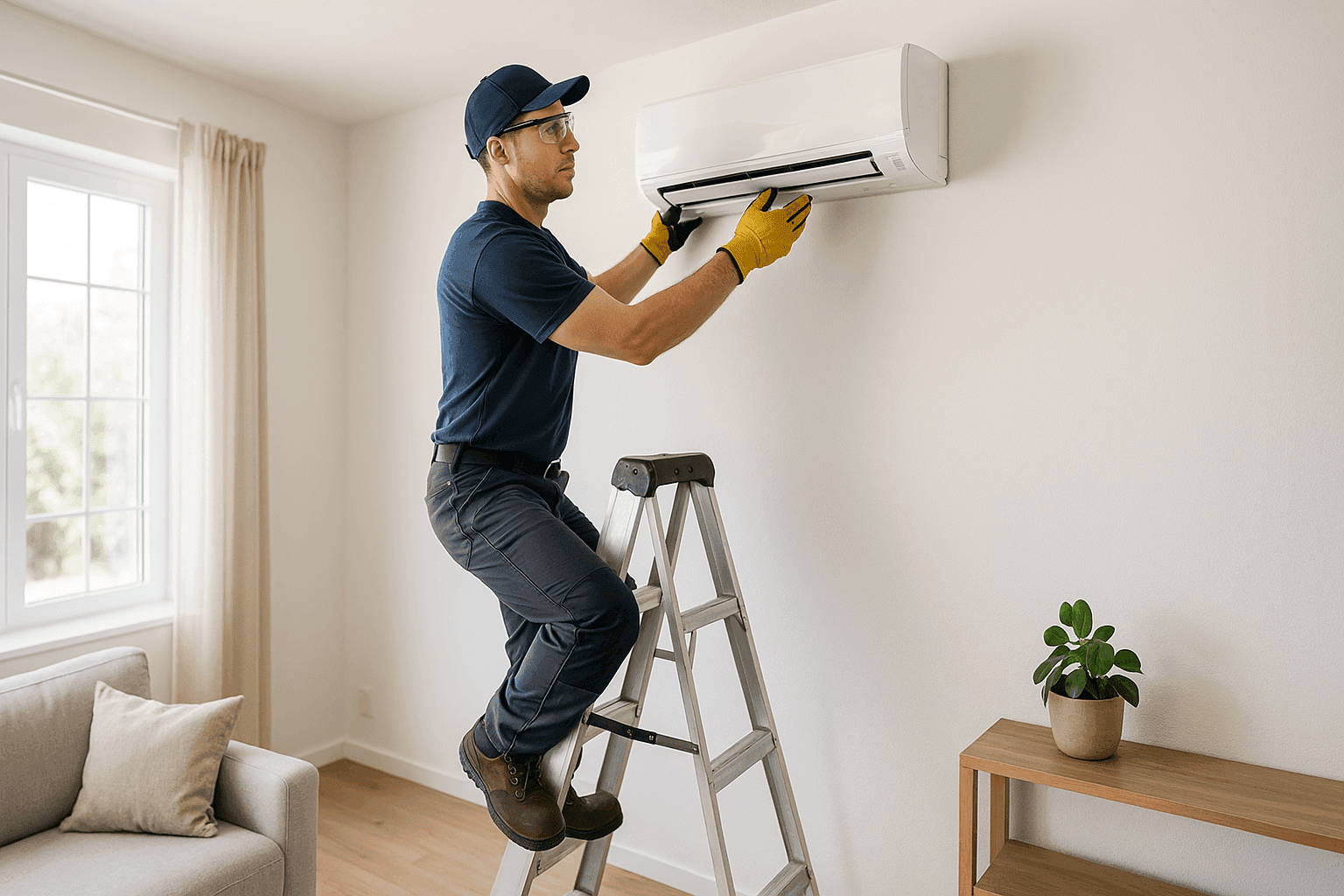
Are you weighing new options for keeping your home cool in summer and cozy in winter? Maybe your old furnace is struggling, or your window unit just isn’t cutting it. Mini-split systems might be the breath of fresh air your home needs.
At Colibri Air HVAC, we’ve helped hundreds of homeowners make the leap to smarter, more flexible comfort. Let’s break down what mini-splits are, where they shine, and how to know if they’re a wise choice for your next upgrade.
What Is a Mini-Split System?
Imagine having the comfort of central air—without the maze of ducts in your walls. That’s the mini-split in a nutshell. These systems use one outdoor unit and one or more sleek indoor units, connected by slim refrigerant lines. Each indoor head cools or heats a specific zone. No ducts, no drama.
You might hear mini-splits called ductless systems. They’re like the Swiss Army knife of home comfort: compact, versatile, and surprisingly efficient.
Why Homeowners Choose Mini-Splits
Mini-splits aren’t just for tech lovers or new builds. Here’s where these systems really stand out:
- Additions & Renovations: Finished attic? New sunroom? Skip the hassle of extending ductwork.
- Zoned Comfort: Give everyone their own climate zone. No more thermostat wars.
- Older Homes: Preserve charm—no need to carve up walls for ducts.
- Supplemental Heating or Cooling: Boost comfort in those “problem rooms” that never seem the right temperature.
Think of mini-splits like custom-tailored clothing. Instead of forcing the whole house to wear the same heavy coat, every room gets the right layer.
How Do Mini-Splits Work?
At their heart, mini-splits are heat pumps. They pull heat from the air—inside or out—and move it where you want it. In summer, they whisk heat outside; in winter, they draw warmth in.
The outdoor compressor connects to indoor air handlers via small refrigerant lines and electrical cables. Each air handler has its own remote (or wall thermostat), letting you dial in the perfect temperature for each zone.
The Installation Process: What to Expect
Mini-split installation is usually quicker than traditional systems. No major demolition. No weeks of dust. Still, it’s not just plug-and-play—precision matters.
Here’s the typical process:
- Site Assessment: Our installer checks your home layout, insulation, power supply, and where you want indoor units.
- Sizing: Each unit is matched to the room’s needs. Too big or too small means less efficiency and comfort.
- Mounting: Indoor heads go high on the wall, keeping them out of the way. The outdoor unit sits near your foundation.
- Drilling & Connecting: A small hole (usually 3 inches) is drilled for lines connecting indoor and outdoor units.
- Power Up & Test: The system is vacuumed, charged, and tested for leaks. Each zone is checked for airflow and temperature.
Proper installation isn’t just about comfort—it’s about safety and longevity. The North American Technician Excellence (NATE) and ACCA’s Quality Installation guidelines set the gold standard.
Comparing Mini-Splits to Traditional HVAC
Which is better: a mini-split or a classic forced-air furnace and AC? The answer—like most things in life—is “it depends.”
Mini-Splits:
- Energy Use: Top marks for efficiency, especially in homes with good insulation. Many models earn ENERGY STAR® certification.
- Flexibility: Add or remove zones as life changes. Perfect for growing families or evolving spaces.
- Upfront Cost: Installation can be higher per room, but no ductwork saves thousands on older homes.
- Aesthetics: Indoor heads are visible, but modern designs are sleek.
Traditional Systems:
- Whole-Home Coverage: One system handles everything, but at the cost of flexibility.
- Ducts: Can lose 20–30% of energy to leaks and poor insulation (per U.S. Department of Energy).
- Upfront Cost: Usually less expensive if ducts already exist.
- Air Quality: Ducts require regular cleaning to avoid dust and allergens.
Quick Safety Checklist Before You Choose 🛑
- Is your home’s electrical system up to code? (Consult an electrician if unsure.)
- Will the outdoor unit have proper clearance and drainage?
- Are indoor heads out of reach of curious kids and pets?
- Is the installation following manufacturer guidelines and local code? (Check the International Mechanical Code.)
- Does your home need any asbestos or lead paint remediation before drilling?
DIY vs. Call a Pro
Some home projects invite a DIY spirit. Mini-split installation isn’t one of them.
- High-Voltage Power: Mistakes can be dangerous.
- Refrigerant Handling: EPA regulations require certified technicians.
- Warranty: Most manufacturers void warranties on DIY installs.
Calling Colibri Air HVAC means peace of mind. Our installers follow every step to the letter—so your investment pays off for years.
What Pros Do On Arrival
A pro brings more than tools—they bring experience. Here’s how a Colibri Air HVAC expert handles your mini-split:
- Evaluate Each Zone: Not every room needs the same power. We check insulation, sunlight, and usage.
- Recommend Placement: Avoids hot/cold spots and maximizes airflow.
- Follow Local Code: Ensures safety and eligibility for rebates.
- Test Everything: Leak checks, electrical safety, and performance validation.
Maintenance Tips for Mini-Splits
Every comfort system needs a little TLC. Mini-splits are no exception, but they’re easier to care for than most.
- Clean Air Filters: Check monthly. Rinse or replace as needed. Dirty filters mean less efficiency and poorer air quality.
- Wipe Down Indoor Units: Dust can build up—keep surfaces clear.
- Check Outdoor Unit: Clear leaves, snow, and debris around the base.
- Professional AC Maintenance: Schedule a tune-up at least once a year. Your technician will check refrigerant levels, electrical connections, and system performance.
According to ASHRAE (American Society of Heating, Refrigerating and Air-Conditioning Engineers), proper maintenance can extend the life of your system and keep energy use low.
Costs & Time Factors
Budget is always a factor. Here’s what to keep in mind:
- Installation Cost: Mini-splits typically run more per zone than adding a window unit, but less than full ducted central air in older homes.
- Energy Savings: High-efficiency models can shrink your utility bills—sometimes by 30% or more.
- Installation Time: Most projects wrap up in a day or two, depending on the number of zones.
- Ongoing Maintenance: Lower than ducted systems, but don’t skip yearly checkups.
Always consider both upfront and long-term costs. Sometimes spending a little more at first saves a lot down the road.
When It’s an Emergency
No one plans for their AC or heat to fail in a heatwave or freeze. Mini-splits offer a fast, flexible fix—especially if your old system is down for the count.
Colibri Air HVAC offers 24-hour emergency hvac service. We can install a single-zone mini-split quickly to restore comfort while you plan a longer-term upgrade. No more sleepless, sweaty nights or shivering mornings.
FAQ: Mini-Splits and Your Home
Q: Do mini-splits work in cold climates?
A: Yes! Modern mini-splits (look for “cold climate” or “hyper-heat” models) can heat efficiently in subzero weather.
Q: Are mini-splits noisy?
A: No. Indoor units are whisper-quiet—often quieter than a refrigerator. Outdoor units are much quieter than old-school AC compressors.
Q: How often do filters need changing?
A: Clean or replace monthly during peak use. More often if you have pets or allergies.
Q: Can I add more zones later?
A: Yes. Many systems are modular—just add another head and connect to the outdoor unit (if capacity allows).
Local and Seasonal Considerations 🌦️
Mini-splits shine in all climates, but installation may vary by region:
- High Humidity: Opt for models with strong dehumidification. Keeps mold and mildew at bay.
- Harsh Winters: Choose a cold-climate model, and make sure the outdoor unit is protected from snow drifts.
- Wildfire or Allergy Season: Many mini-splits have advanced air filtration—great for indoor air quality.
- Older Homes: Preserves historic character—no need to tear up plaster or woodwork.
No matter your local weather or home style, there’s a mini-split solution that fits.
Ready to see if a mini-split is right for your home? Our team at Colibri Air HVAC is here to help—from expert installation to honest advice and fast emergency hvac service.
Call Colibri Air HVAC now — or reach us anytime at 888-871-0918 .